Creative Ops: Stop Accepting This
These aren’t annoyances. They’re patterns that slow teams down, lower quality and burn people out. If we want creative teams to do better work, we have to stop accepting the conditions that make good work harder than it should be.
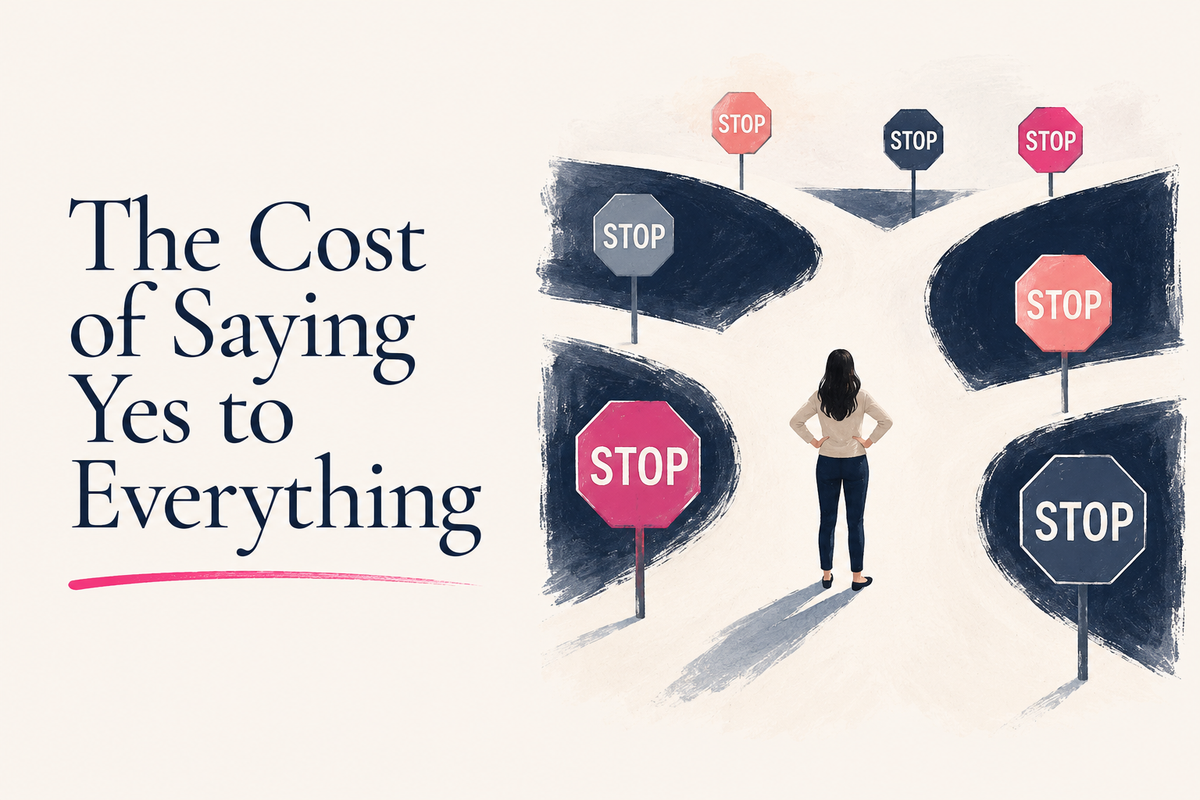
This is a line in the sand.
These aren’t annoyances. They’re patterns that slow teams down, lower quality and burn people out. If we want creative teams to do better work, we have to stop accepting the conditions that make good work harder than it should be.
Clarity & Strategy Gaps
Where the work starts off shaky and never quite recovers
- Vague briefs (we are awesome but not mind readers)
- Strategy contrived in a vacuum (context sold separately)
- Creatives asked to solve unclear business problems (define it in design)
- Stakeholders define solutions, not problems (the why was optional)
- Output goals with no success metrics (outcomes sold separately)
Intake & Scope Chaos
Where everything is “urgent” and nothing is clear
- Last minute request disguised as emergency (we aren’t fooled)
- Surprise scope after kickoff (no featuring bonus deliverables)
- Live dates not based in reality (sure, let’s ignore calendars)
- “We don’t have time for process” (efficiency has left the building)
Feedback & Decision Dysfunction
Where good work goes to die
- Clichés as feedback (“make it pop”)
- Excessive feedback loops (here we go again and again)
- No single approver (who says when it is done)
- Feedback from those who didn’t read the brief (reviewed emotionally, not informationally)
- Rework caused by indecision (version 47 says hello)
Resourcing & Team Health
Where burnout quietly becomes the system
- 120% capacity as the norm (burnout is not a strategy)
- Heroics as culture (off to dry clean my cape)
- No celebrating shipped work (momentum over morale)
- Measuring busyness instead of value (productivity theater)
Process & Operating Model Issues
Where the system itself is the problem
- Creative treated like a vending machine (this machine is out of order)
- Ops as air traffic and not a strategic partner (control tower, no flight plan)
- “We’ve always done it this way” (the past called, it wants its process back)
- Meetings with no agenda or outcome (we met, therefore we worked)
- Invited late, or not at all, to the table (invitation lost in the mail)
- Being accountable but not empowered (the blame is real, the power is not)