Sometimes the Pipe Is Going to Leak
Creative work comes with friction. Learn how Creative Operations can triage what needs attention now, spot recurring patterns and improve the systems around the work without adding unnecessary process.
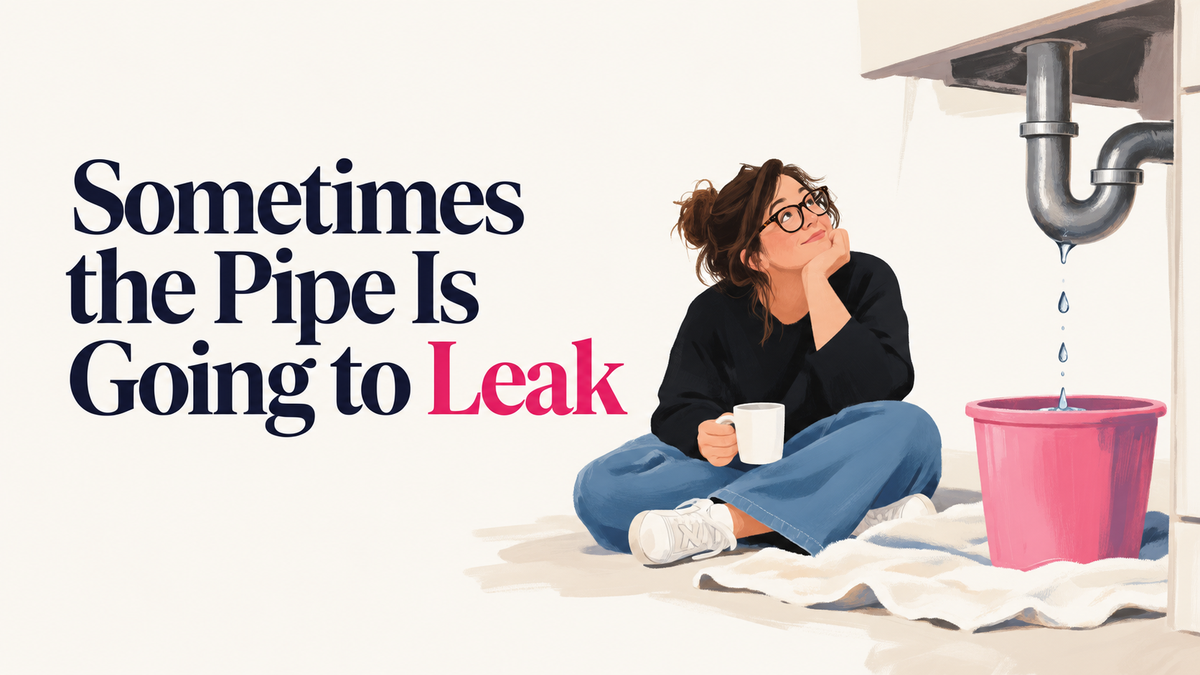
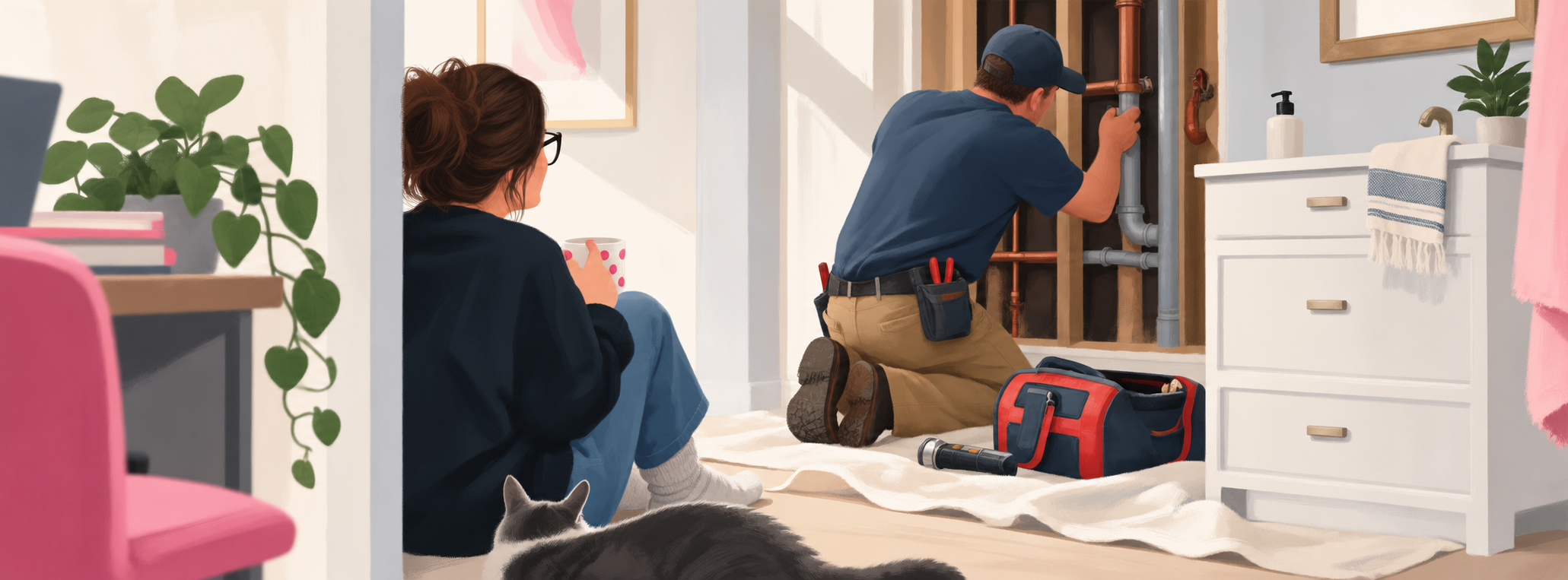
I’ve spent much of this week sitting in my office listening to our handyman work on plumbing in the laundry room next door. There has been a lot of discussion about pipes.
One thing I’ve gathered from listening to all of this is that nobody who works on plumbing seems particularly surprised when something unexpected happens. You open something up and discover something you couldn’t see before. A connection doesn’t quite fit. You address one issue and discover another one three feet down the line.
Nobody stands around asking how plumbing could have betrayed them like this. It’s plumbing. This is what you signed up for.
I’ve been thinking that Creative Operations isn’t all that different.
Scope will change. Timelines will tighten. Resources won’t always match demand. Stakeholders will disagree. Feedback will arrive late and messy. Something everyone thought was clear at kickoff will turn out to mean three different things to three different people.
We should absolutely build systems that make those things easier to navigate. But I’m not sure the goal should be eliminating them. Some amount of friction is simply inherent in the work.
And maybe one of the most useful Creative Ops skills isn’t preventing every leak. It’s knowing what to do when one appears.
Some things need triage
If water is currently pouring onto the laundry room floor, this isn’t the moment to debate the entire plumbing system.
You stop the water.
Creative work has those moments, too. A deadline is suddenly at risk. A decision is blocking the team. Scope has changed substantially. The resources available no longer match what the work requires. Someone has raised a concern that needs attention now.
The first job is triage. What does the work need right now? What decision needs to be made? Who needs to be involved? What has changed? What’s the clearest path forward?
Good triage doesn’t assign blame. It creates clarity. Here’s where we are. Here’s what we know. Here’s what needs attention. Here’s what happens next.
Then the work keeps moving. Sometimes, that’s the end of the story.
Not every leak means you re-plumb the house
One difficult moment doesn’t necessarily tell you anything about your process.
Creative work is inherently variable. Sometimes a project takes longer than expected. Sometimes a stakeholder enters late for completely legitimate reasons. Sometimes priorities genuinely need to change. Sometimes you simply learn something halfway through the work that you couldn’t have known at the beginning.
If we respond to every one of those situations with a new rule, checkpoint, meeting or required field, eventually we build an operating model around exceptions.
One late reviewer becomes a new approval gate. One missed handoff becomes a mandatory meeting. One confusing request becomes five new fields on the brief. That’s how process intended to protect the work can start getting in its way.
So once the immediate situation has passed, I don’t think the first question should be, “How do we make sure this never happens again?” I think it should be: Are we seeing this repeatedly?
Patterns tell you where to look
This is where Creative Operations has an interesting vantage point. We get to see across the work.
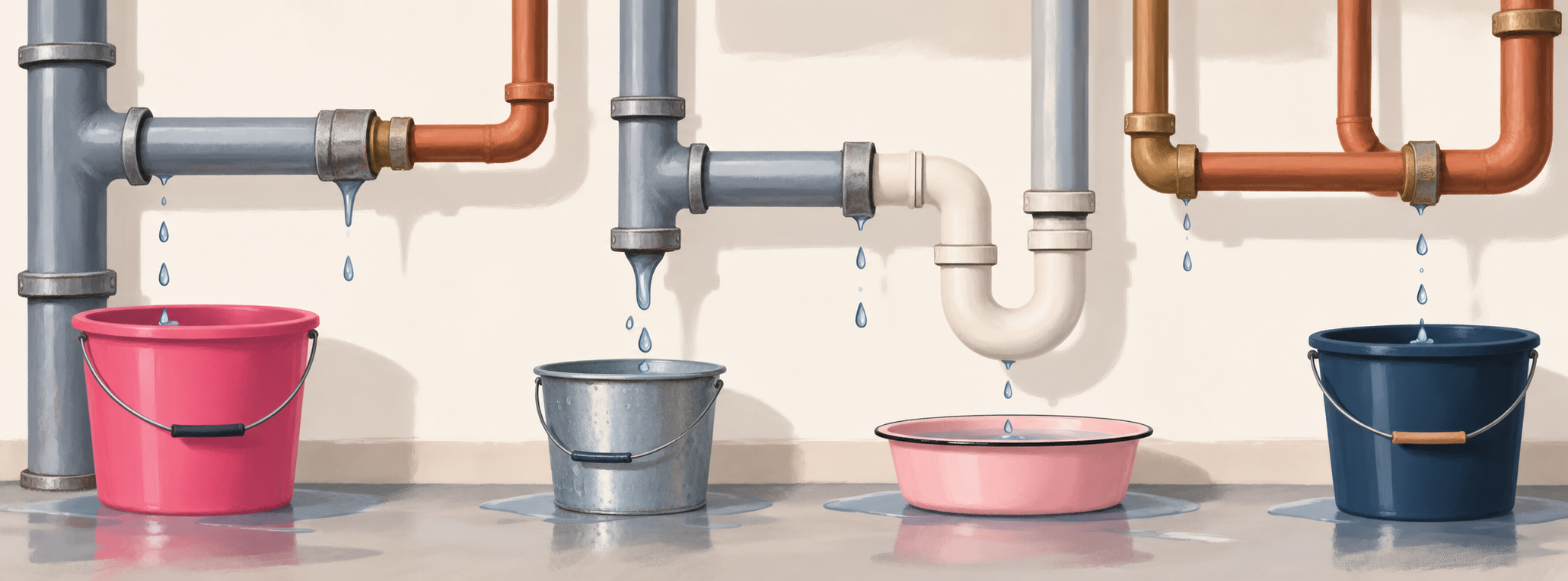
One project with scope creep is a project with scope creep. But if scope is expanding halfway through lots of projects, that’s information.
One project that needs an unexpected resource is normal. If the same resource constraint keeps appearing across the portfolio, that’s information.
One late approval happens. If projects repeatedly stall at the same decision point, that’s information.
The goal isn’t to collect evidence that something — or someone — is doing a bad job. It’s to understand where the work consistently encounters friction.
One occurrence gives us an experience. Repeated occurrences give us a pattern. And patterns give us an opportunity to learn.
Triage the moment. Learn from the pattern.
I think that’s the distinction I keep coming back to. There are things we need to respond to immediately because the work needs us. And there are things we should capture, step back from and look at over time. Those require different behaviors.
Triage requires clarity. Patterns require curiosity.
When something needs attention now, help people navigate it. Get the right people together, understand what changed, make the decisions that need to be made and help the work move forward.
When something keeps happening, get curious about what the work might be telling you.
Maybe expectations need to be clearer. Maybe a resource consistently enters too late. Maybe the intake needs one additional question. Maybe decision rights aren’t as obvious as everyone thought. Maybe a particular kind of work routinely needs more time or resources than we’ve been giving it.
Or maybe nothing needs to change. That’s important, too.
The goal isn’t perfect plumbing
I don’t think the goal of Creative Operations is to create a process that prevents anything unexpected from ever happening. We’d end up with a pretty miserable process — and creative work would still surprise us anyway.
The goal is to create an environment that can absorb normal friction, respond well when something needs attention and learn from the patterns that emerge over time.
That means resisting two opposite instincts: treating every bump as a crisis and treating recurring friction as simply the cost of doing business. Somewhere between those is a healthier approach.
Respond to what needs attention. Capture what happened. Keep an eye out for repetition. And when a pattern emerges, use it as an invitation to get curious about the system around the work.
Our handyman will eventually leave. The laundry room will stop making alarming noises. I’ll get my office back.
And I’m pretty sure that at some point, somewhere else in this old house, another pipe will leak. That doesn’t mean the house is broken. It means we own a house.
Creative work is a little like that.
What recurring friction has taught you something useful about the way your organization works?
Categories: Creative Ops, Leadership, Transformation
If you’d rather get Make Creative Work in your inbox, you can subscribe here: https://www.makecreativework.com/#/portal/signup