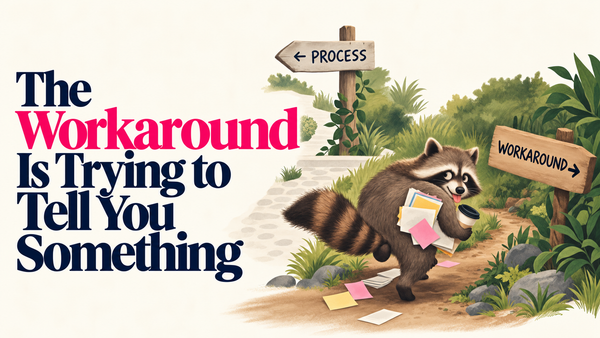
The Workaround Is Trying to Tell You Something
Workarounds aren't always resistance to change. Learn how unofficial workflows can reveal opportunities to improve processes, collaboration and organizational design.
Workarounds aren't always resistance to change. Learn how unofficial workflows can reveal opportunities to improve processes, collaboration and organizational design.
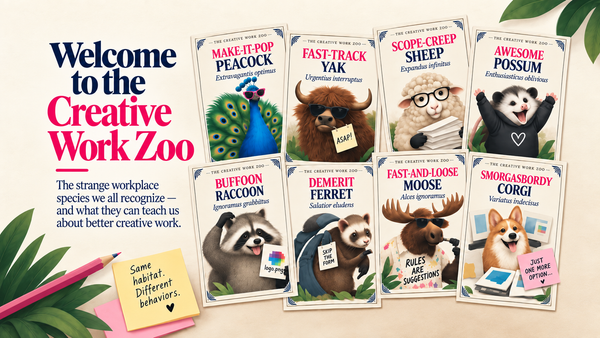
Meet the Creative Work Zoo: familiar workplace behaviors that reveal something deeper about creative systems, feedback, prioritization, scope and collaboration.
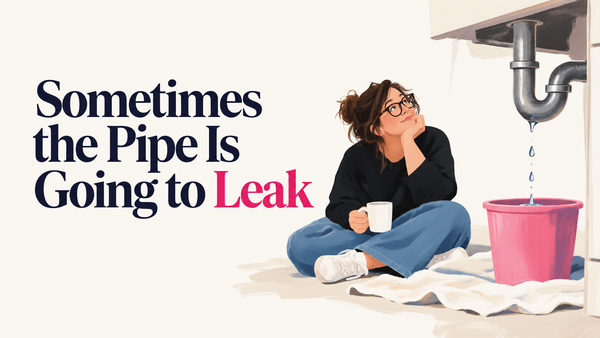
Creative work comes with friction. Learn how Creative Operations can triage what needs attention now, spot recurring patterns and improve the systems around the work without adding unnecessary process.

Managing AI is surprisingly similar to parenting teenagers: clear instructions only go so far. Context, autonomy, feedback and shared expectations are what turn direction into good judgment.
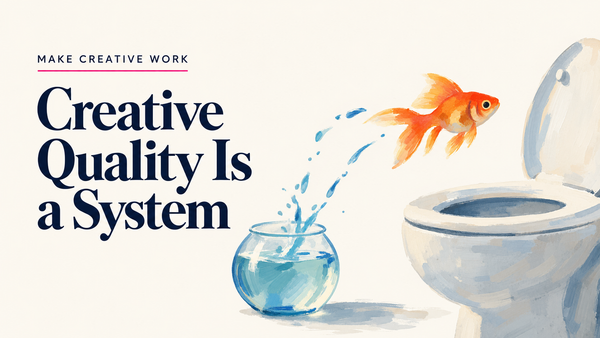
Creative quality isn’t just about talent. How feedback, expertise and decision rights are structured can strengthen great creative work — or slowly dismantle it.
Announcing organizational change isn’t enough. Learn how clear, multichannel communication and feedback loops can turn transformation plans into lasting adoption.

Silos may make sense inside an organization, but customers experience your brand as one relationship. How organizational design shapes customer experience.
Transformation isn’t a milestone. Lessons from Amy’s, Visa and AAA on organizational design, continuous improvement and building systems that evolve with the work.
Creative work may never be predictable, but the way teams work together can be repeatable. Here’s how the right amount of process creates clarity without constraining creativity.
Five leadership principles I want to bring to work every day, especially when the pressure is high: curiosity, ownership, courage, optimism and love for the work.
What transformation taught me about strategy. For most of my career, I believed transformation followed a fairly predictable sequence. You started with a vision, translated that vision into a strategy, built a roadmap and then executed the plan. It was neat. Logical. Comfortable. If someone had asked me a few
What started as a simple Asana implementation became a complete rethink of how marketing works. A story about software, AI, transformation and the surprising lessons that emerged along the way.
AI & Tools
AI doesn't replace experts. It amplifies them. Learn why curiosity, judgment and human-in-the-loop collaboration matter more than ever, and how leaders can help teams experiment, learn and turn AI into a force multiplier.
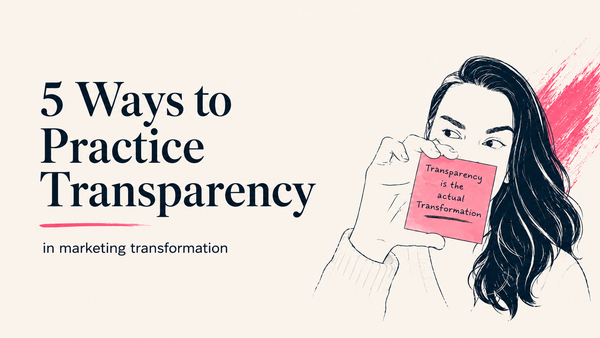
Creative Ops
A simple Post-it note sparked a bigger lesson: transparency is the foundation of transformation. Learn five practical ways to create honest conversations, surface challenges early and build a culture that improves continuously.
Creative Ops
Most processes fail for a simple reason: they weren't designed for the people expected to use them. Learn how empathy, simplicity and right-sized governance create processes that teams actually follow.
Creative Ops
Transformation isn't a destination—it's a road trip. Learn a simple five-step framework for leading continuous improvement, adapting to change and building an organization that can evolve as technology, markets and customer expectations shift.
Leadership
Creative teams cannot produce inspired work while running on depleted energy. A reflection on creative replenishment, beautiful questions and building small daily practices that reconnect people with curiosity, imagination and creative flow.

Leadership
Creative teams are often blamed for being slow, but the real bottleneck is usually the approval structure around them. This post explores approval anxiety, endless feedback loops and why unclear decision-making quietly damages creative quality, team morale and delivery speed.
Creative Ops
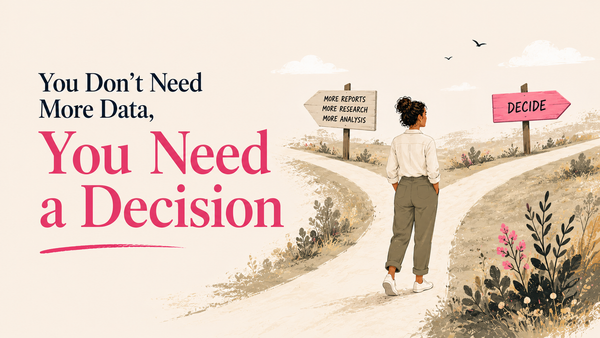
When analysis stops helping, it is time to decide. A real look at how bottlenecks show up in creative workflows and why action is what creates better data
Ways of Working
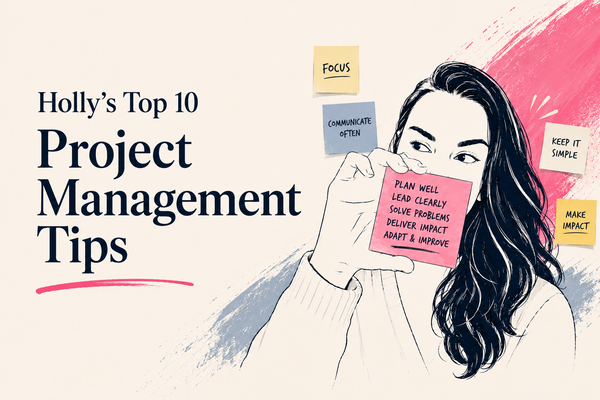
Ten practical project management tips from the trenches. Built for real creative teams, not textbooks. Learn how to manage shifting priorities, messy inputs, tight timelines and stakeholders without losing your sanity or your team.
Creative Ops
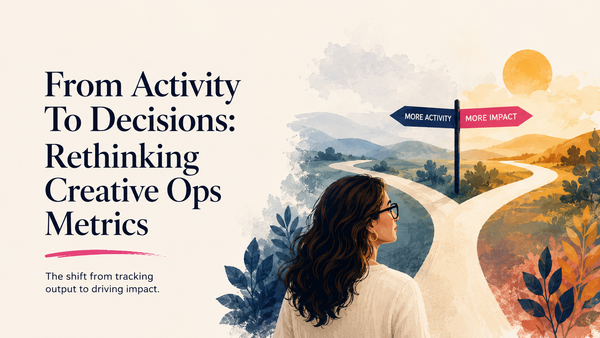
Creative Ops teams are busy. The real question is whether the work is driving the right outcomes. This post explores how better measurement leads to better decisions.
AI & Tools
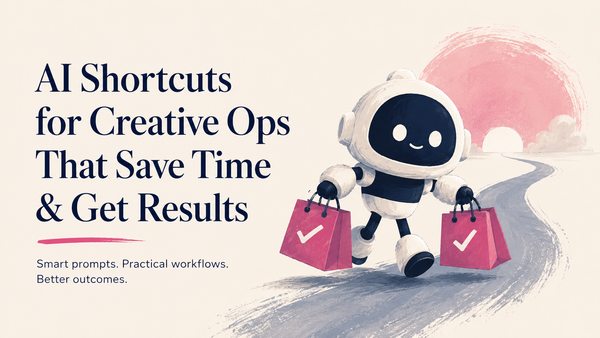
Most Creative Ops teams aren’t short on ideas, they’re short on time. Here are practical ways to use AI to reduce friction, speed up work and improve outcomes.
Creative Ops
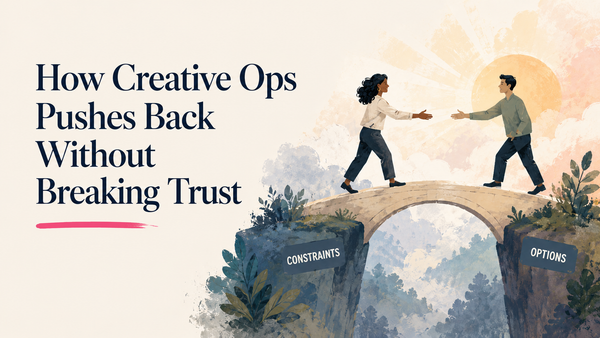
Creative Ops pushback isn’t about saying no. It’s about making constraints visible and tradeoffs clear. When grounded in facts and applied consistently, it builds trust, protects teams from unrealistic demands and reinforces credible delivery.
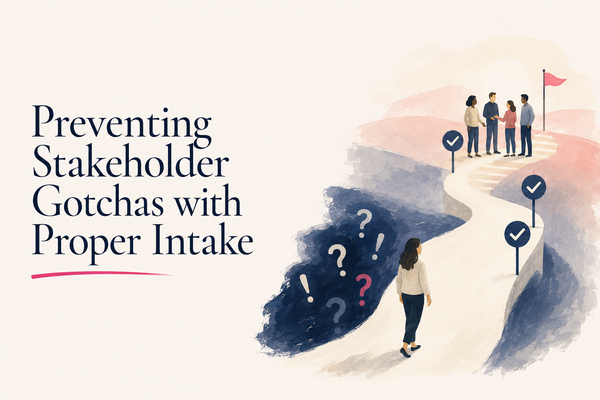
Creative Ops
Creative Ops isn’t just collecting requirements at this stage. We’re figuring out who actually has influence and how that influence will show up when it counts. When that work gets skipped, it doesn’t disappear. It usually reappears at final review, louder and with very strong opinions.